Arm(E3)NGAGE: AI with Arm Cortex M MCUs and PyTorch Workshop
Edwin talks about an Arm Developer Program Workshop at Ashesi University, Ghana for Arm technology and AI using PyTorch.
Overview
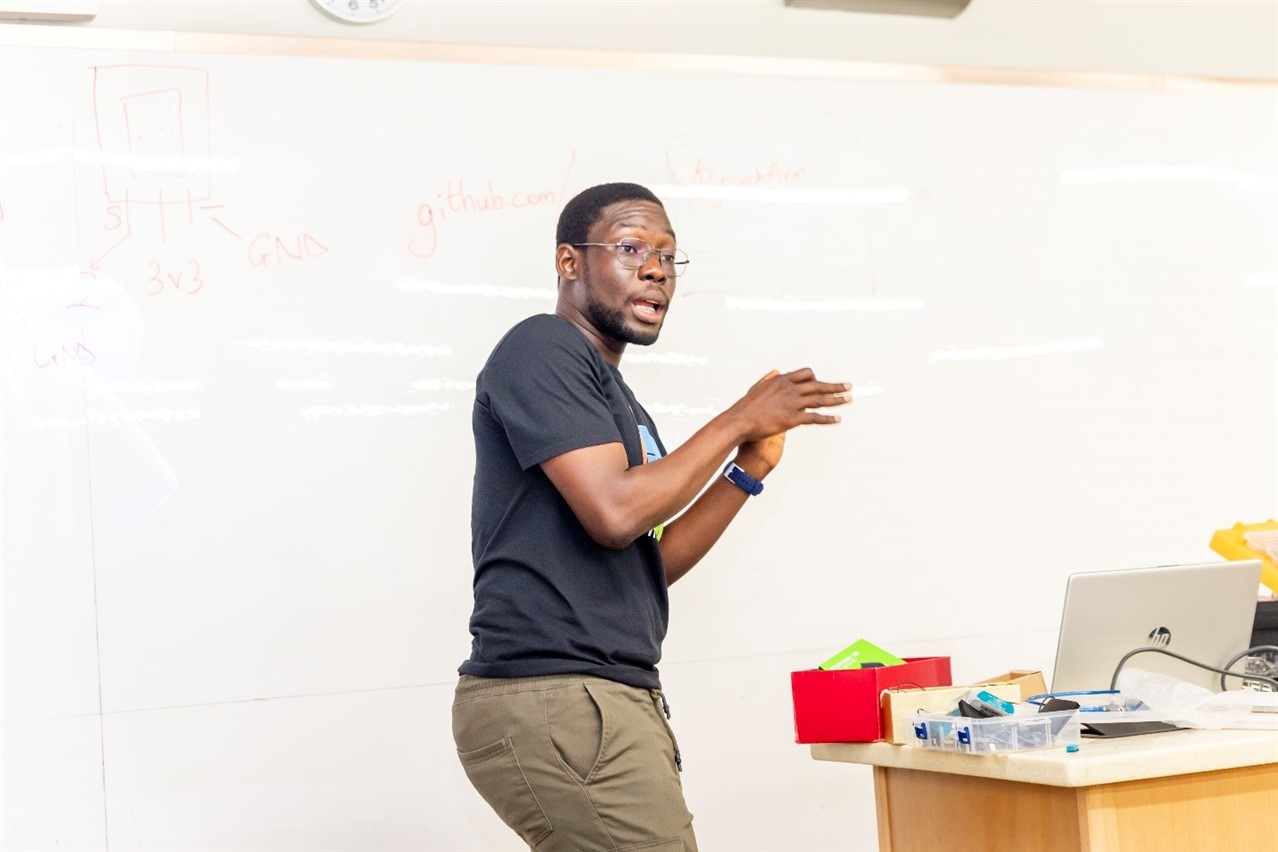
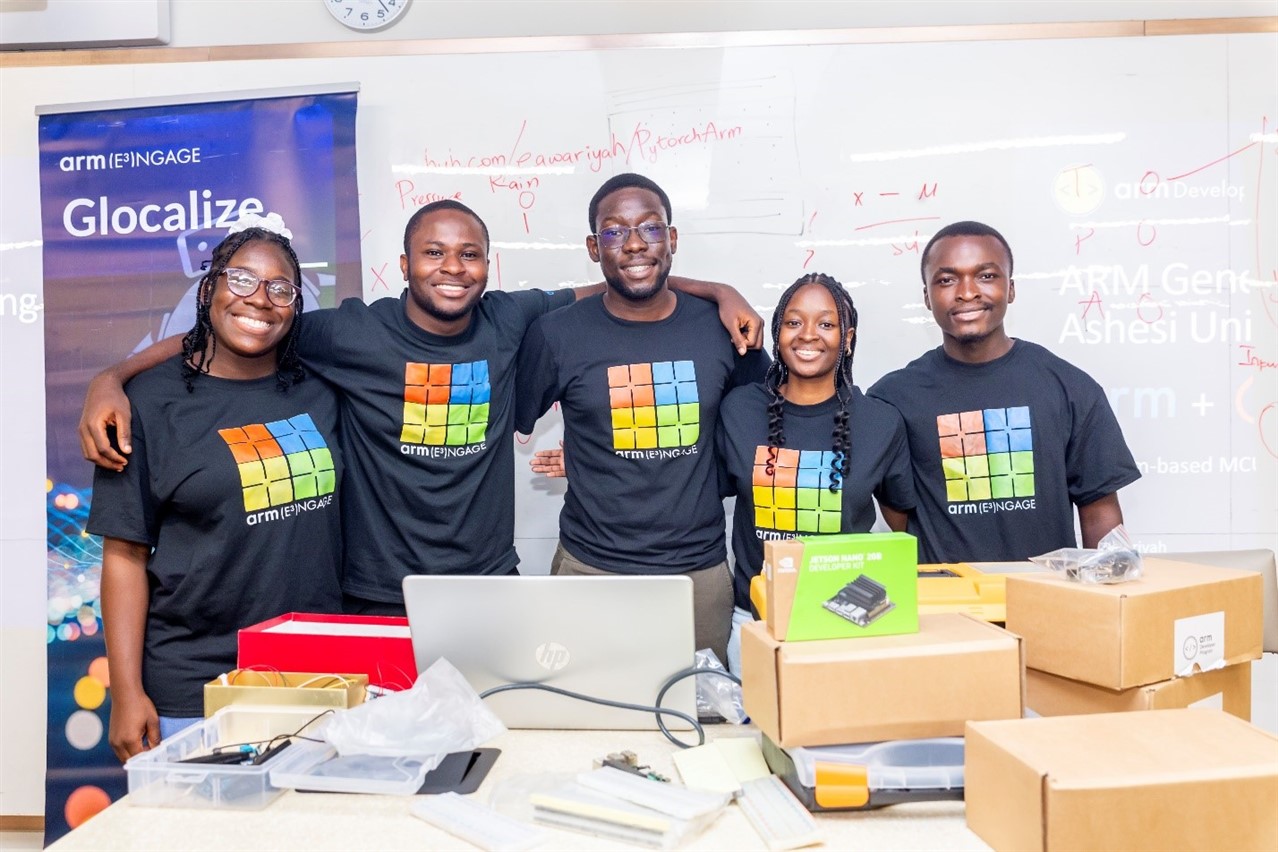
On October 31, 2024, I hosted an Arm Developer Program Workshop at Ashesi University, Ghana. During the workshop, I delved into the intersection of Arm technology and AI using PyTorch.
This event was part of the larger celebration on our end of Arm joining the PyTorch as a premier member, introducing a new era of innovation in the field of edge AI. The workshop showed how Arm MCUs, combined with PyTorch, can power solutions in agriculture and beyond for sustainability and local innovation with ease.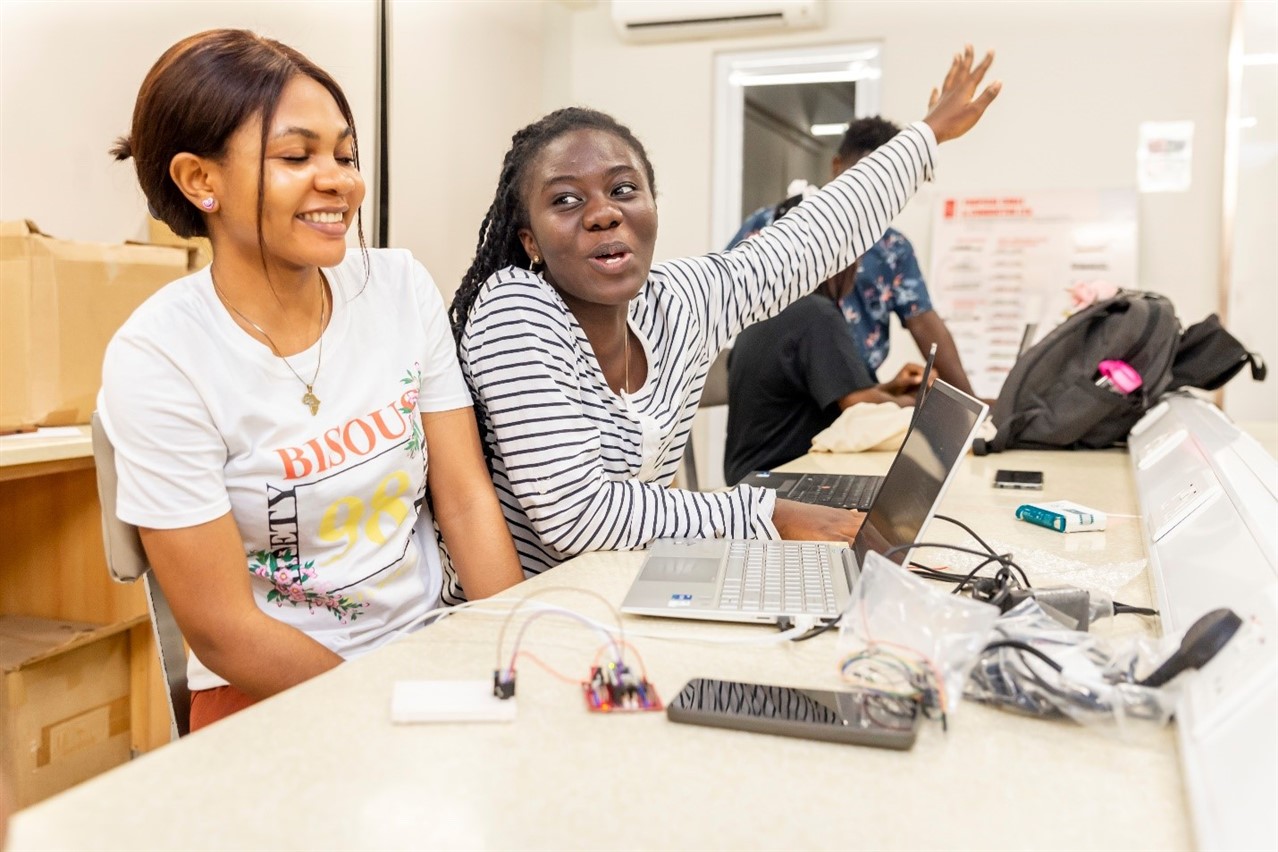
Audience engagement
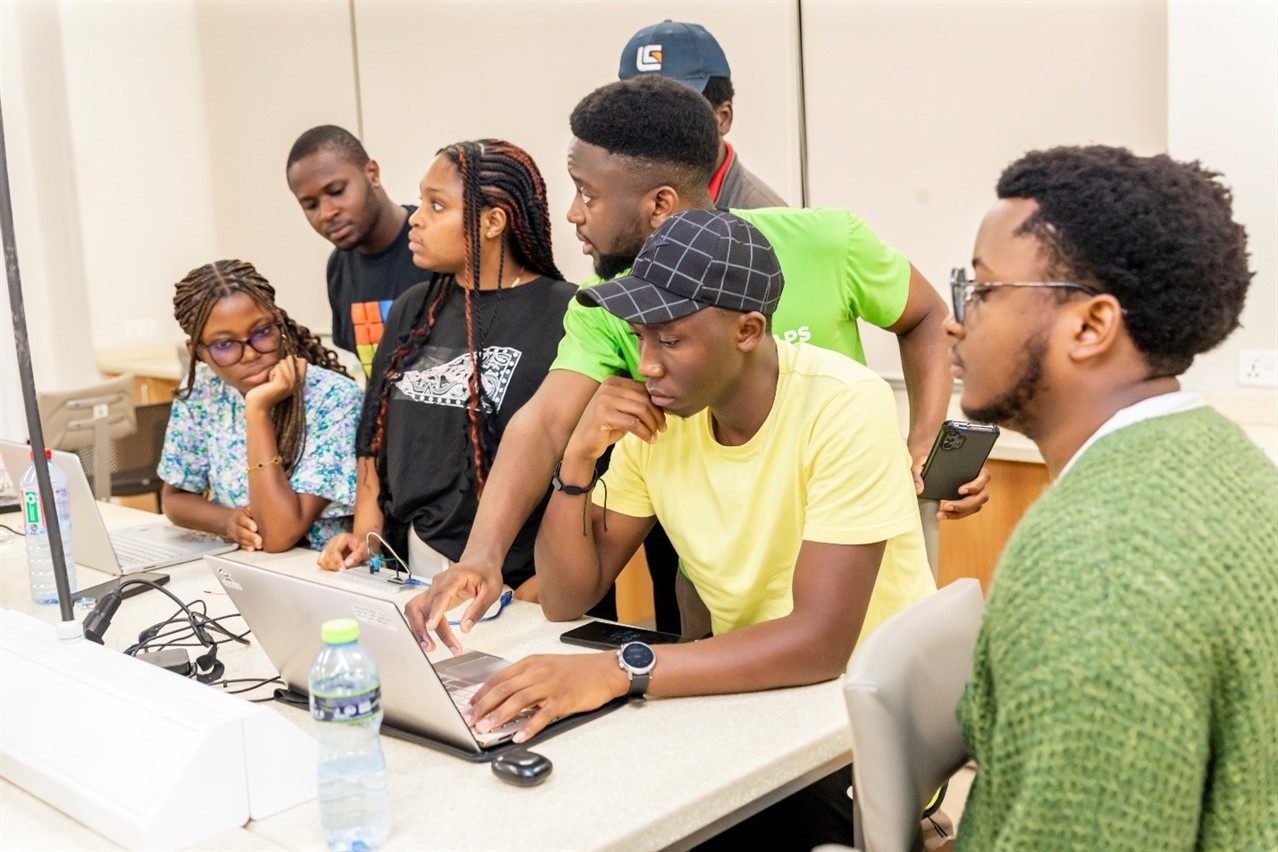
We started with a series of introductory questions to gauge the familiarity of attendees with Arm technology and PyTorch.
The interactive session allowed us to assess the knowledge level within the room and set a foundation for the topics we would explore.
A number of attendees were new to the specifics of Arm MCUs and ML frameworks like PyTorch, which made the discussions even more impactful. Others had an idea but had not engaged in any hands-on work or implementation.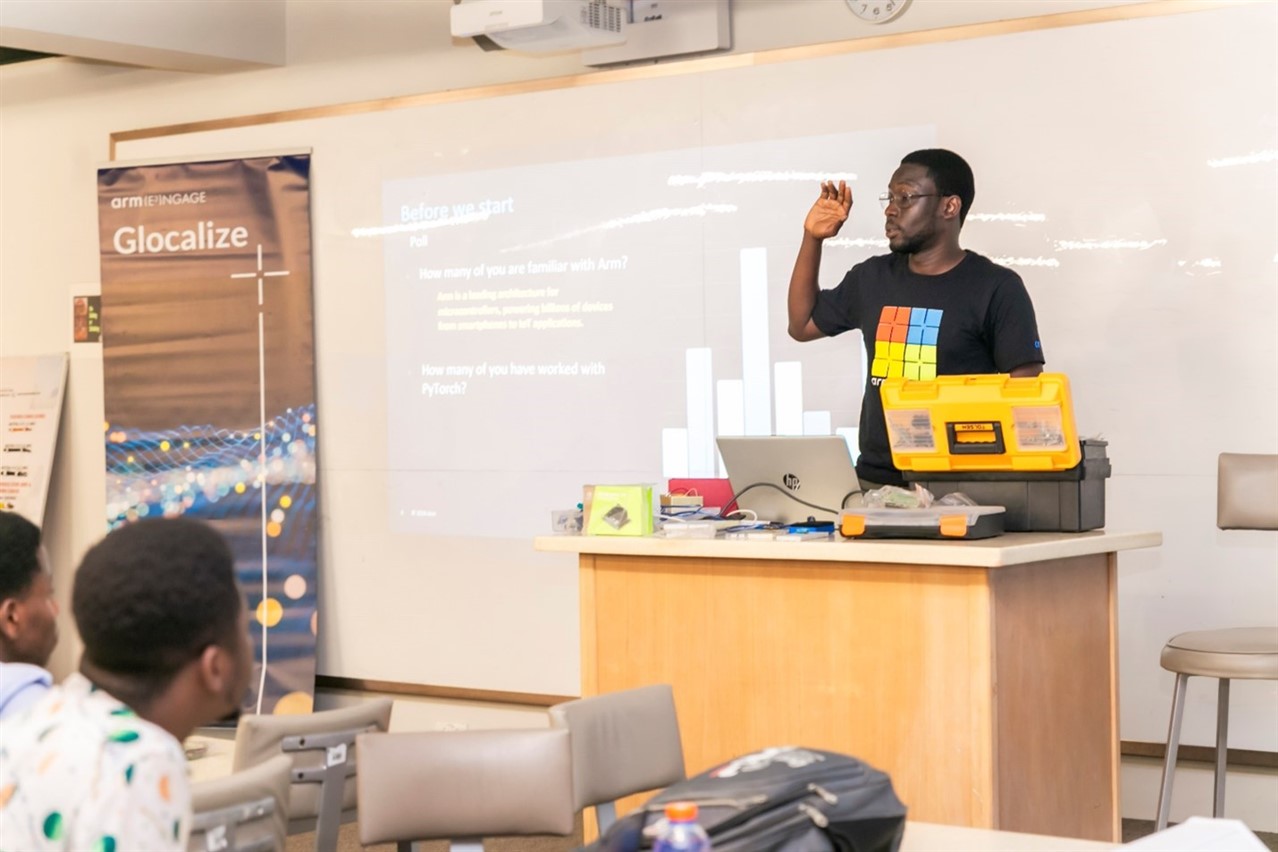
Introductory concepts
A brief overview of Arm for new members was given, followed by essential AI concepts such as ML, Cognitive Computing, Neural Networks, Natural Language Processing (NLP), and Computer Vision.
These concepts laid the foundation for understanding how Arm-powered MCUs could bring AI functionalities to edge devices.
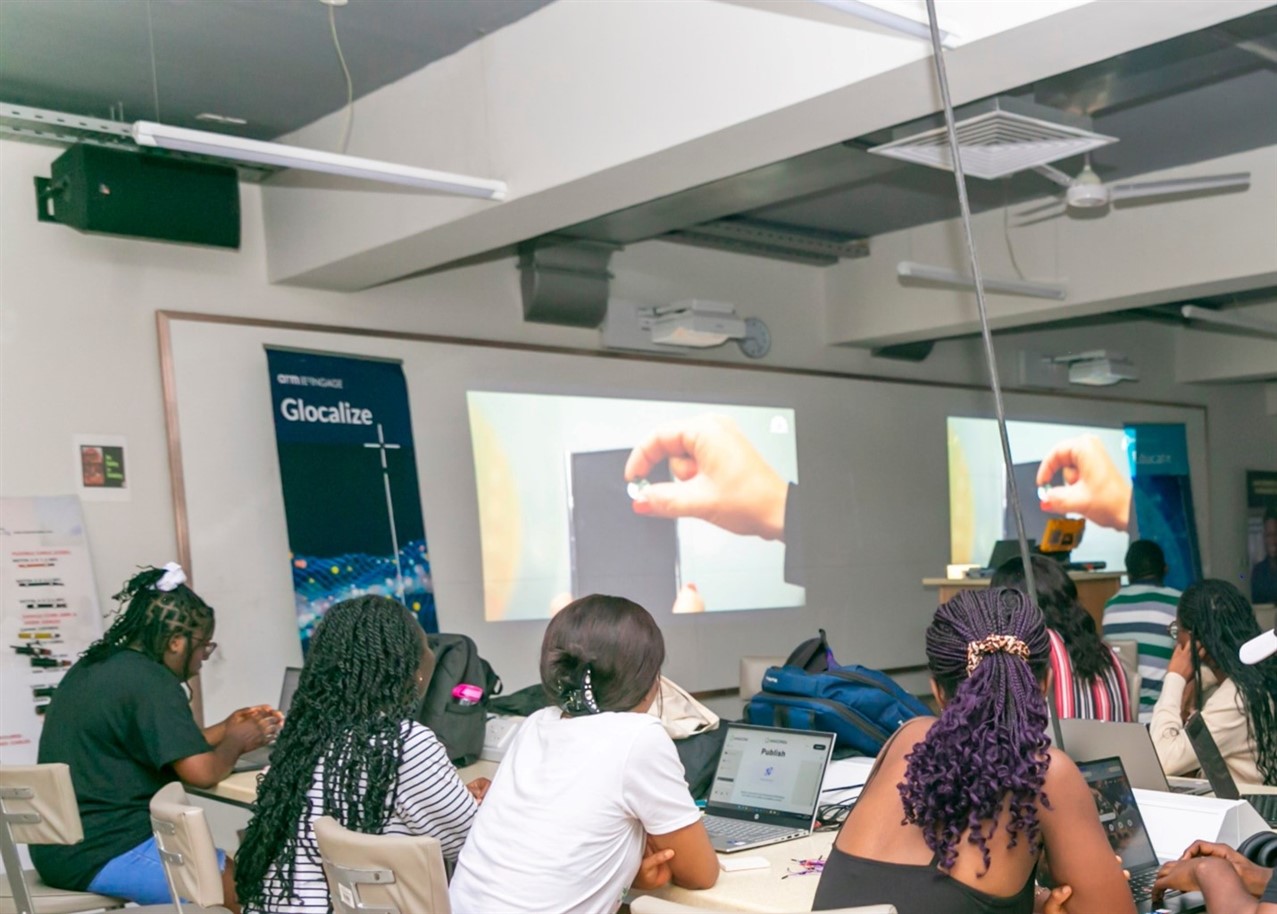
Attendees watched a curated selection of videos:
- An introduction to Arm technology
- A video exploring PyTorch’s capabilities
- A thematic video titled “Tomorrow’s World, which provided a historical perspective on technological advancements from 1966 to 2024.
Event theme and goals
The primary theme of the workshop centered on how AI systems can be built using Arm-based MCUs and PyTorch.
We showcased how these tools create real-world solutions, such as AI-powered weather prediction systems designed to support farmers in making data-driven planting decisions.
Capabilities of Arm & PyTorch in Various Domains
To highlight the potential of Arm and PyTorch, we discussed several real-world applications:
- Home Automation: From voice detection to real-time intruder monitoring.
- Wearables: Continuous health monitoring and personalized insights.
- Industrial IoT: Predictive maintenance and real-time analytics.
- Smart Agriculture: Analyzing environmental data to optimize crop management.
These examples provided context for our hands-on project, illustrating how AI on Arm technology drives innovation across various industries.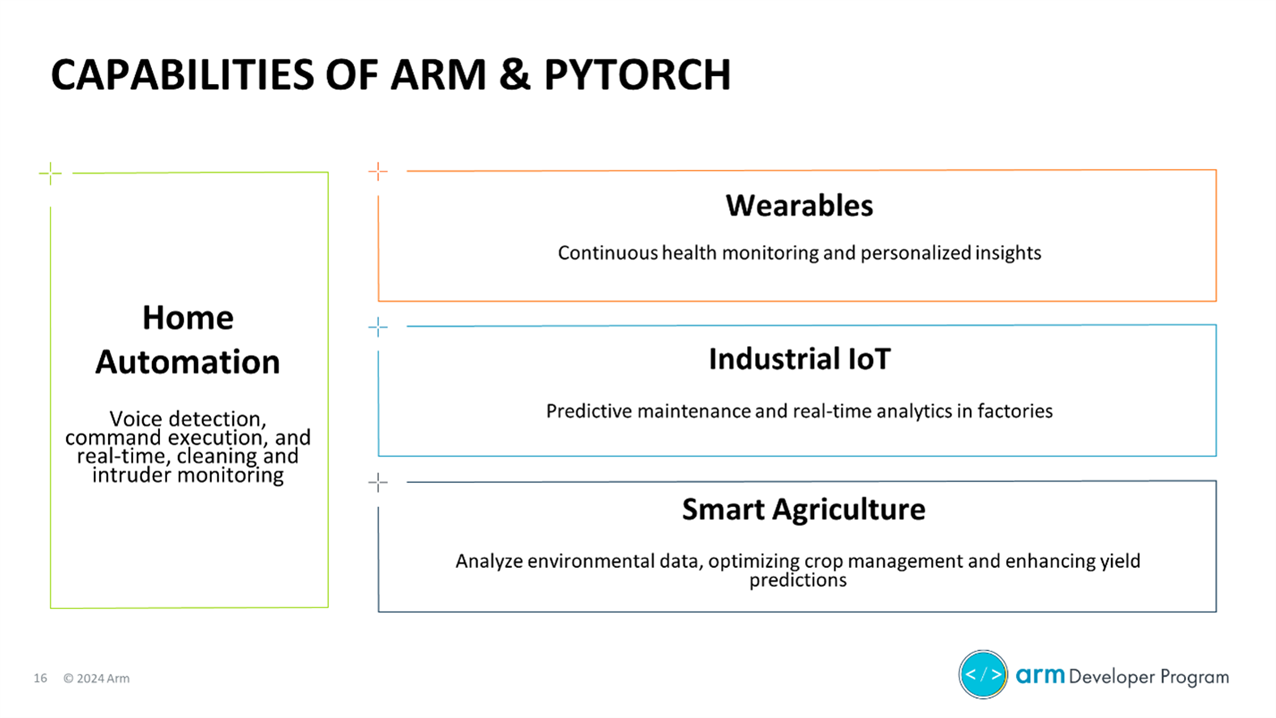
Hands-on project: AI weather prediction system
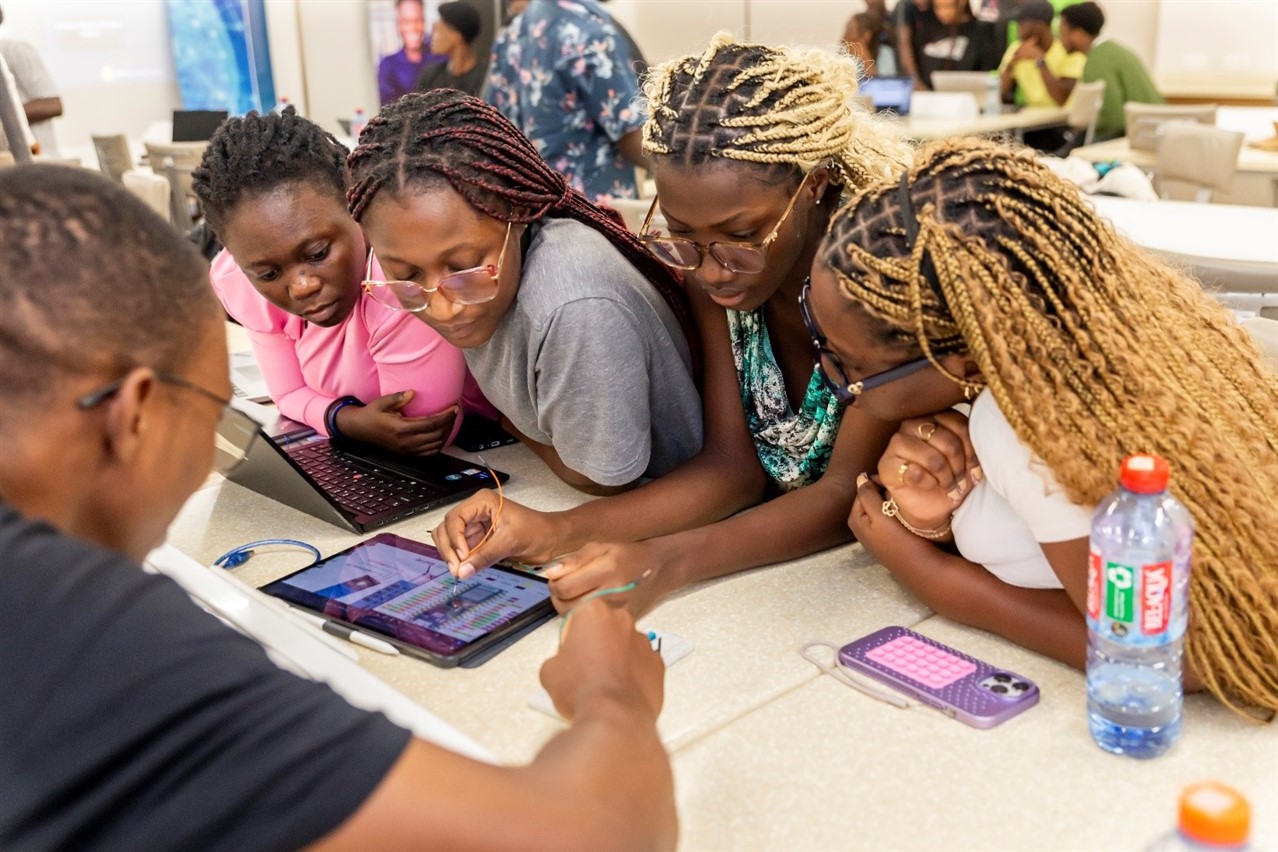
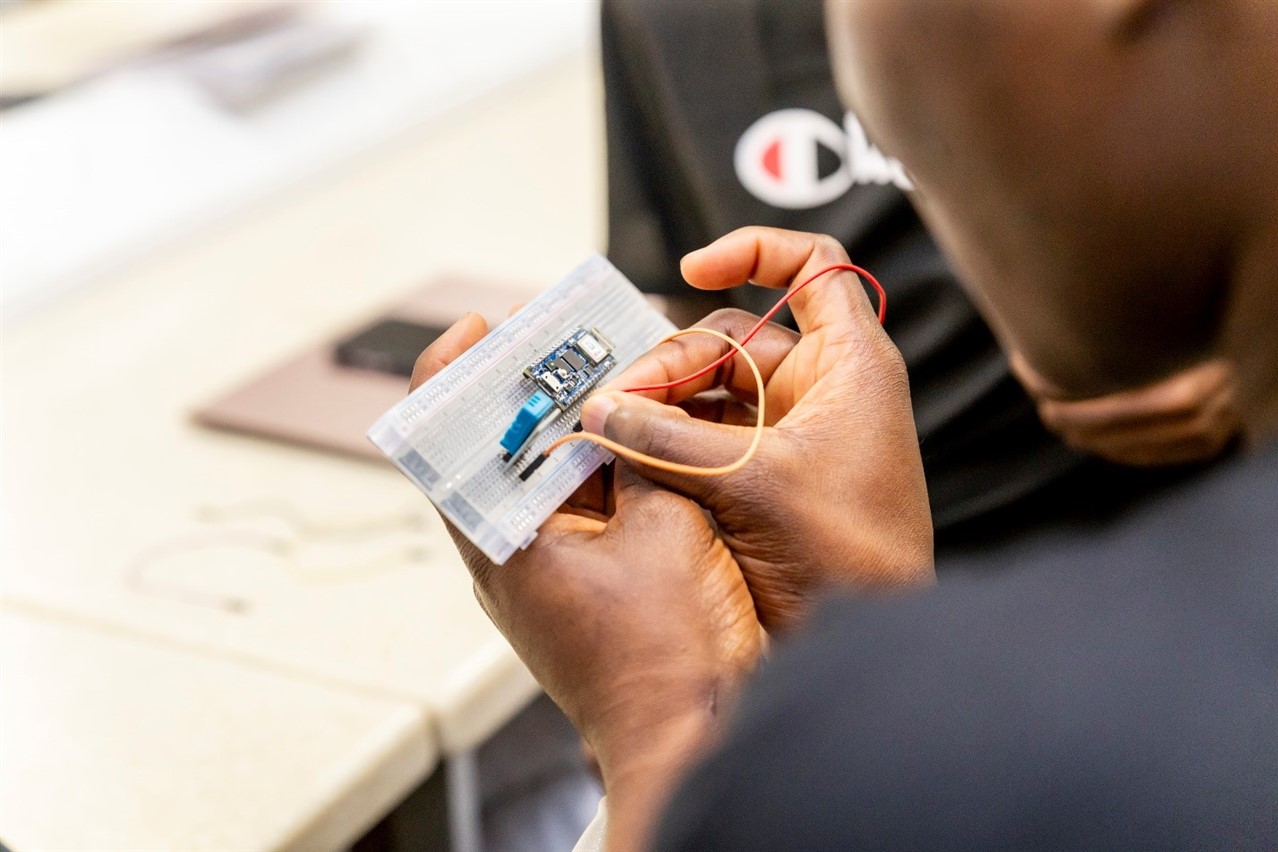
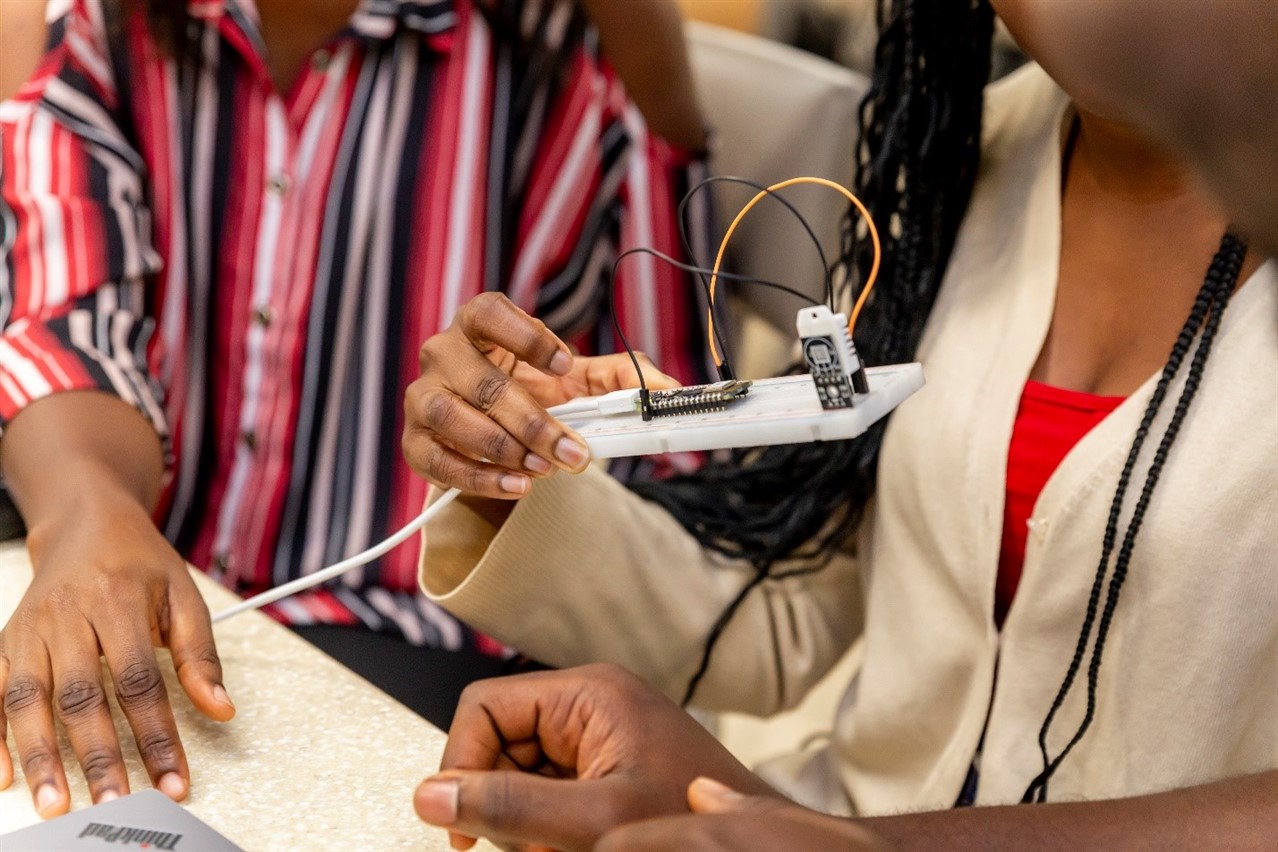
The hands-on segment of the workshop was centered around building a weather prediction system using the Arduino RP2040 MCU and BME280 sensor. This system was designed to enable farmers to predict rainfall and optimize planting schedules. The project involved both hardware and software setup:
Hardware Setup:
- RP2040 MCU
- BME280 sensor for temperature and humidity data collection
- Breadboard and jumper wires for connectivity
Software Setup:
- Installation of essential libraries, including torch, joblib, pyserial, pandas, and scikit-learn
- Building a PyTorch-based neural network to classify environmental conditions as "indoor" or "outdoor," simulating how data could inform weather prediction.
The PyTorch model used in this project was a simple feedforward neural network, with data collected in real-time using the BME280 sensor. This hands-on experience enabled participants to understand the principles of data preprocessing, model training, and inference on edge devices. To learn more about the project, you can view this GitHub repository here:.
Workshop highlights and engagement
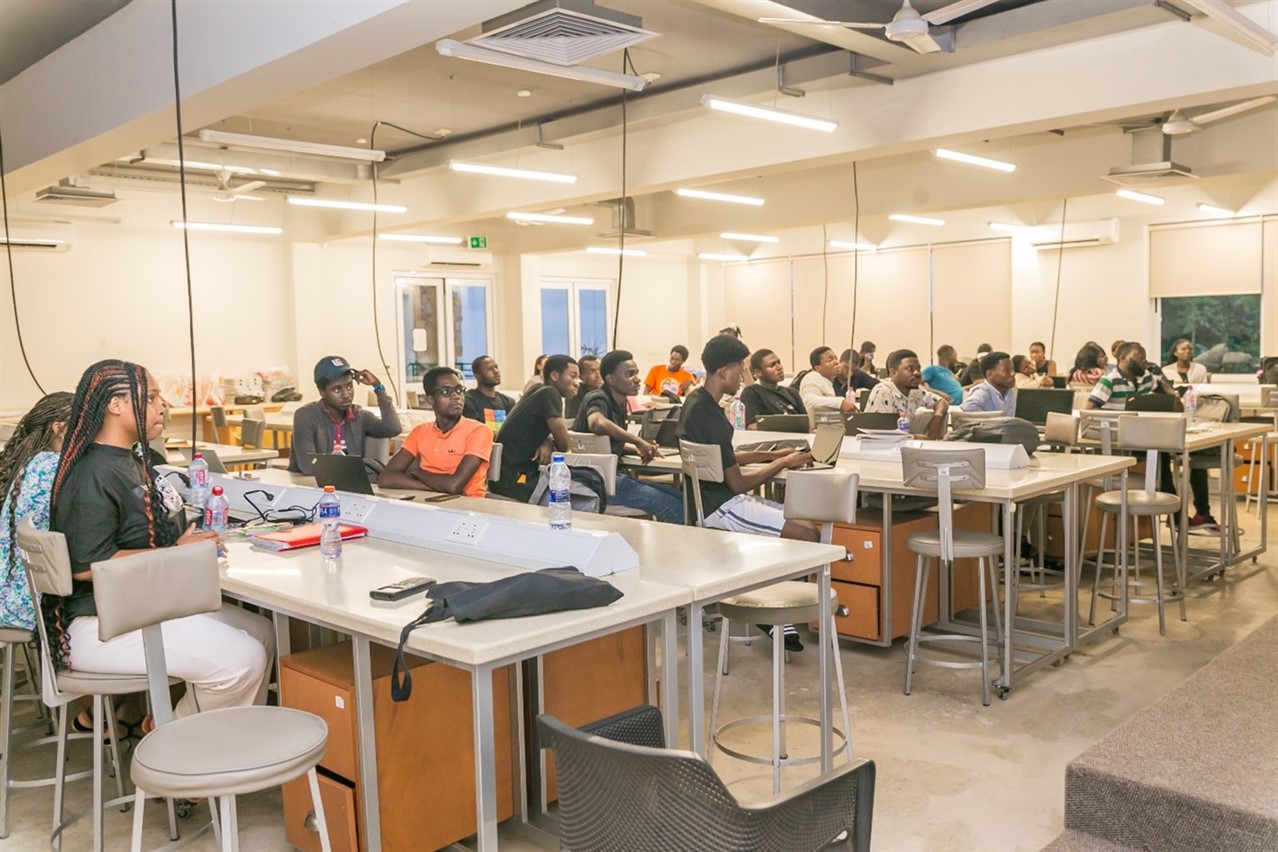
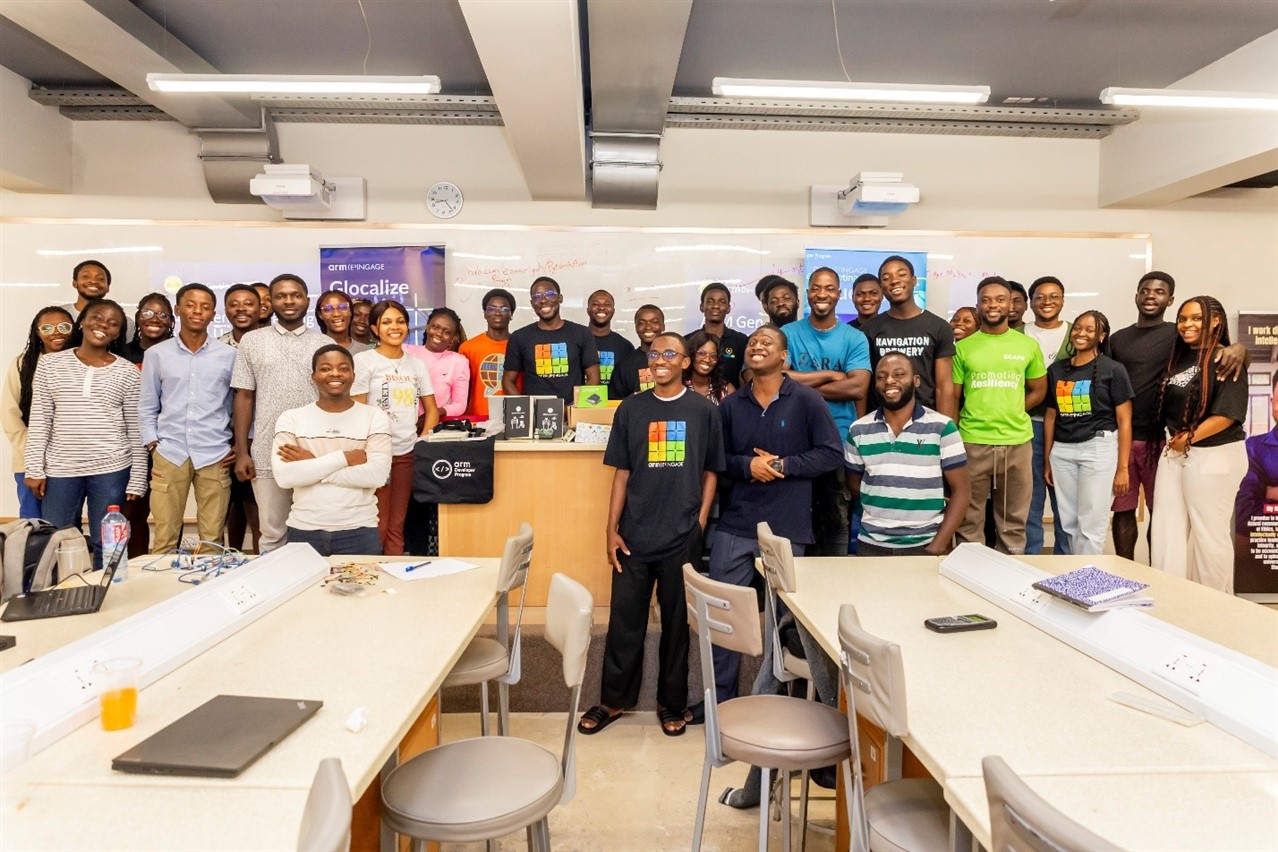
The event included a giveaway of Arm-branded swag and refreshments to keep the energy high. Attendees engaged actively in the hands-on project, and many expressed excitement about exploring further applications of AI on Arm.
Acknowledgments
This workshop was made possible by the generous support of the Arm Developer Program. Special thanks to Clement Donkor Ampofo, Hanson Nkansah, the Arm(E³)NGAGE Student Club at Ashesi University led by Bright Edudzi Gershon K., Praprara Owodeha-Ashaka, Julia Mc-Addy, and Keli Kobla Kemeh, who all played instrumental roles in making this event a success.
Join the Arm Developer Program

Re-use is only permitted for informational and non-commercial or personal use only.
